Australia moves to ban AI chatbots that simulate ‘emotional intimacy’
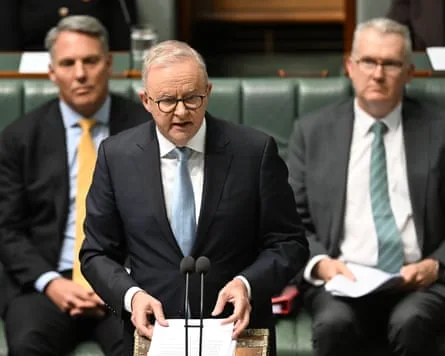
Australia’s digital duty of care[1] bill, which passed the House of Representatives on Wednesday and heads to the Senate in the coming weeks, would add AI chatbot activity to the list of online harms covered by new safety standards. An amendment from independent MP Kate Chaney requires platforms to ban “material or conduct that simulates emotional intimacy and encourages or fosters a child’s dependence on it in place of human relationships”. The federal government hopes to pass the bill by the end of 2026. Prime minister Anthony Albanese said stories of people identifying “a chatbot, a non-person as their best friend” should be a “huge wake up call” for every member of parliament.
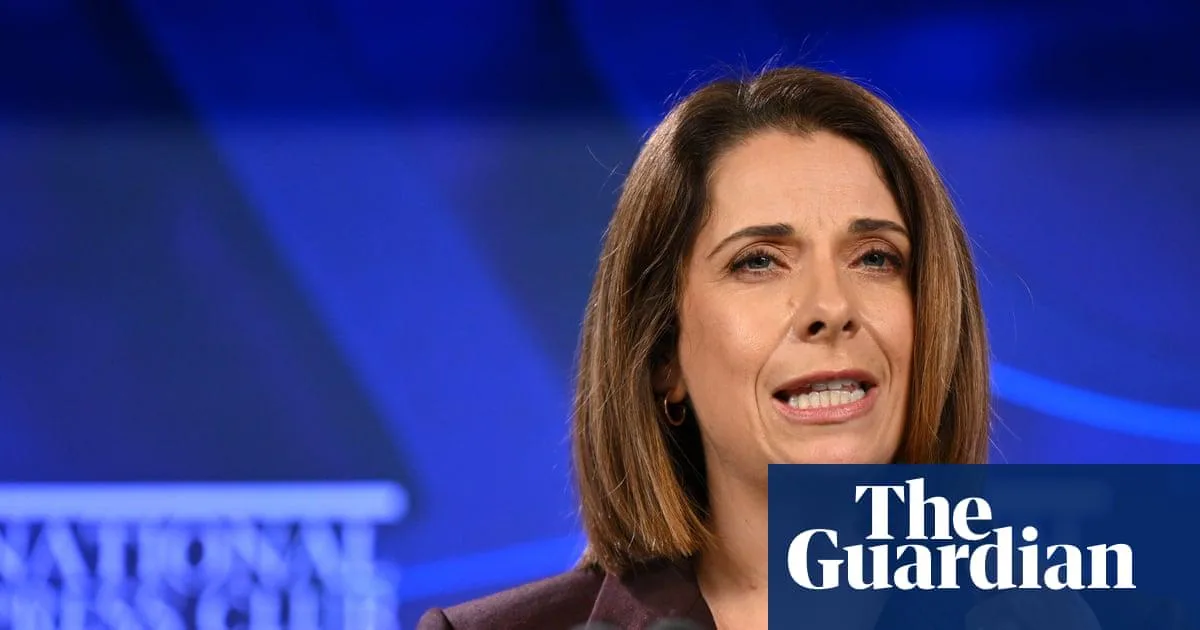
Communications minister Anika Wells said the laws would capture content promoting misogyny, terrorism, suicide, self-harm and eating disorders, and platforms would have to offer an algorithm opt-out feature that is “accessible, easy to use” and “prominently available”. The Greens support the bill but have set up a Senate inquiry due to report in late November, and want Australians to have the right to pursue private legal action against platforms and for penalties to be increased. The Coalition[2] and One Nation[3] voted against the bill in the House, with opponents calling the plan an “Orwellian” system of “censorship” — claims Wells strongly denied.
Labor rejected an amendment from independent MP Sophie Scamps to expand the telecommunications industry ombudsman’s[4] remit into a complaints watchdog for social media and AI, and Wells declined to endorse the idea. Ombudsman Cynthia Gebert said her office would be well placed for the role and could be financed by big tech, warning that without an external complaints pathway Australians are left with automated responses and escalation procedures that “don’t go anywhere”. The Greens will push for the reform in their Senate negotiations.
Read the original theguardian.comDiscussion
Discussion
Commenters are split: some argue the need for such a ban shows developers have abandoned ethical boundaries, while others ask how it could even be policed, say adults should be free to make their own choices, and predict the ban would be easy to get around. Several complain that unrelated measures were tacked onto what they saw as a straightforward algorithm opt-out bill.
Sources
-
theguardian.com
‘Emotional intimacy’ from AI chatbots would be banned under Australia’s digital duty of care laws


